Child Education Program

Program

Our Child Education Program, rooted in the 3S model of Shiksha (Education), Sanskar (Values), and Skills, empowers vulnerable children to stay in school and thrive. By addressing challenges like loitering and child labor, we prevent dropouts and open doors to quality education through meaningful partnerships.

Why It Matters

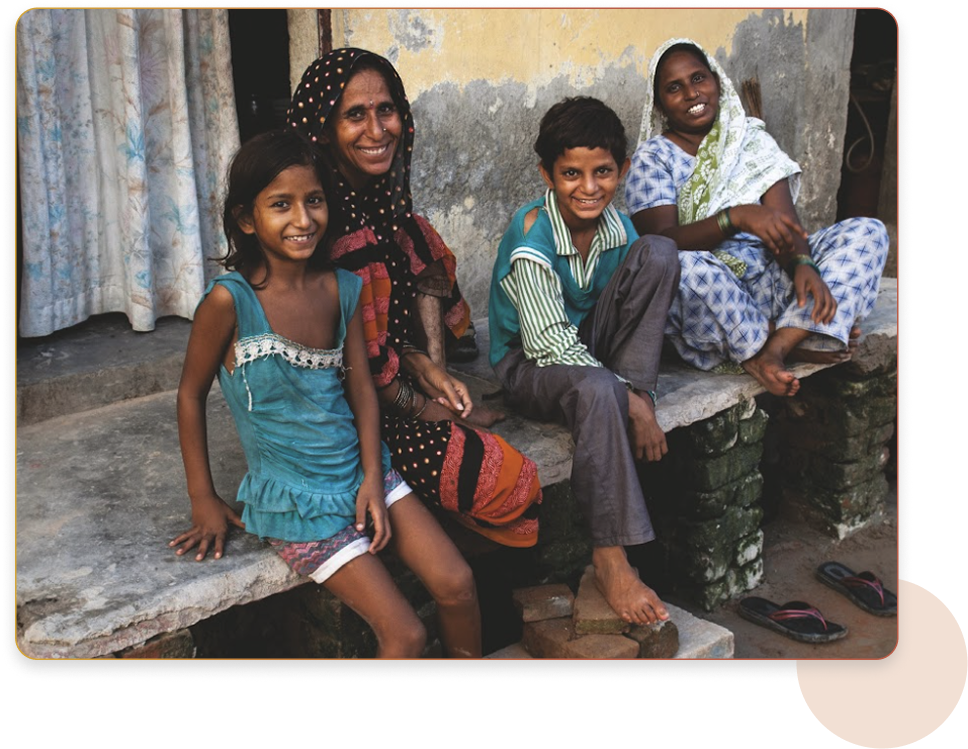
Today, the program serves the community in JJ Colony, Bawana, a resettlement area established in 2004-05 for families displaced from Yamuna Pushta. Here, we work to curb high dropout rates and improve school retention. By providing quality education and resources, we not only keep children engaged in learning but also protect them from negative influences, making a significant impact on crime prevention in the area.

Since its inception in 1987 in the slums of Yamuna Pushta, our Child Education Program has been a beacon of hope, addressing the deep-rooted challenges faced by street children—such as loitering, rag picking, and begging—and their vulnerability to criminal activities like drug peddling, child labour, and petty crime. Starting with primary education, our program quickly evolved into a comprehensive initiative focused on ensuring school continuity through remedial support.

The History

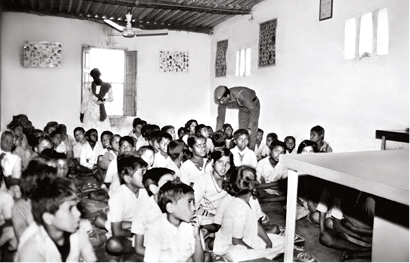
Our journey began in 1987 with the establishment of Navjyoti Pathshala, a pioneering effort to steer children away from deviant paths and toward a brighter future. Over the years, this initiative has evolved into a comprehensive education program with three core components, each designed to bridge critical learning gaps and ensure that children from underserved communities receive the quality education they need to thrive and achieve upward social mobility.

Year Timeline Slider
1987 — Navjyoti Pathshala

1987

Established Navjyoti Pathshala in the Yamuna Pushta slum to ensure access to education for all children.
1998 — Gali School Movement

1998

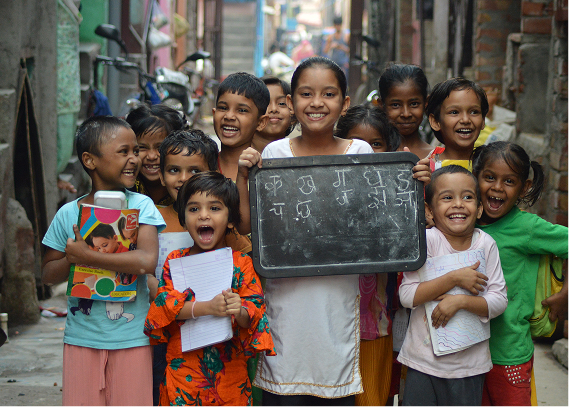
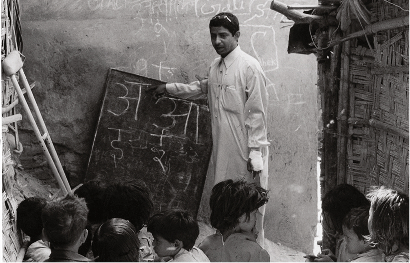
Launched the Gali School Movement, bringing education directly to children's doorsteps in Yamuna Pushta.

1987 — Navjyoti Pathshala

1999

Expanded educational outreach by setting up Remedial Education centres tailored to diverse student needs.
1987 — Navjyoti Pathshala

2005

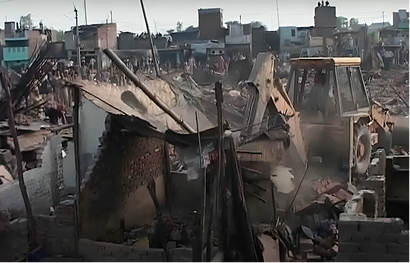
Supported the relocation and rehabilitation of the Yamuna Pushta community to Bawana, re-establishing education services in the new settlement.
1987 — Navjyoti Pathshala

2008

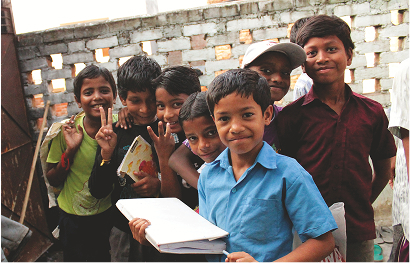
Launched the holistic 3S Model—Shiksha (Education), Sanskaar (Values), and Skills—to foster well-rounded development.
1987 — Navjyoti Pathshala

2013

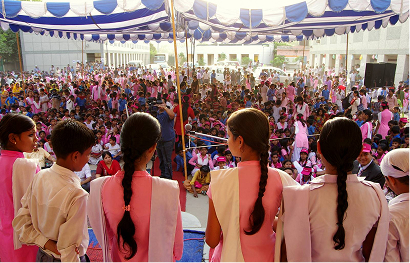
Initiated the Bal Gurukul Program to nurture leadership qualities and expand outreach to other underserved children.
1987 — Navjyoti Pathshala

2015

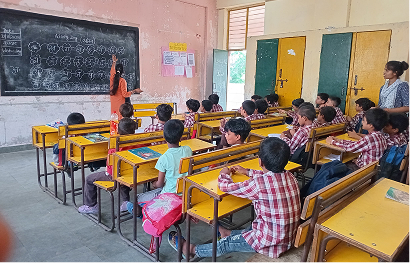
Initiated the School Support Initiative, focusing on enhancing learning levels, integrating technology in education, and empowering teachers in government and budget schools.

1987 — Navjyoti Pathshala

2020

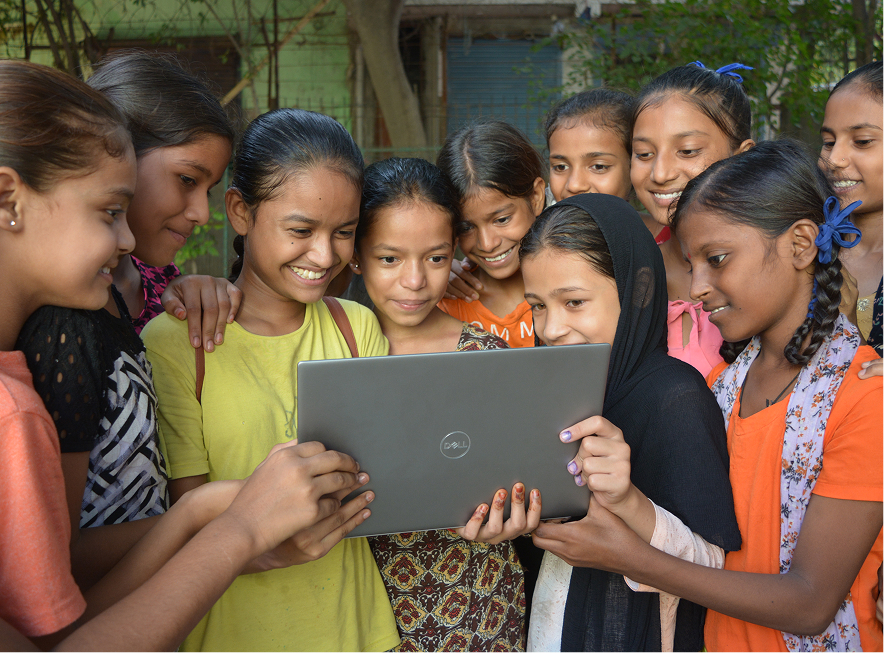
Integrated virtual learning and digital literacy into education programs to adapt to the evolving learning environment.
1987 — Navjyoti Pathshala

2021

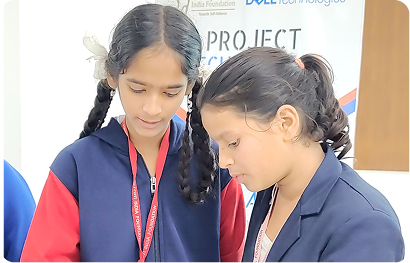
Introduced future-ready courses aligned with the National Education Policy, promoting holistic and inclusive growth.

Prev
Next

Project Location

Project Office Address: B-Block, Community Centre, J. J. Colony, Bawana, Delhi - 110039, India

Our

Our 3S Model takes a holistic approach to education, nurturing not just academic growth, but also instilling core values and developing skills for life. We aim to shape young minds into responsible, dynamic individuals through:

1

Shiksha (Education)

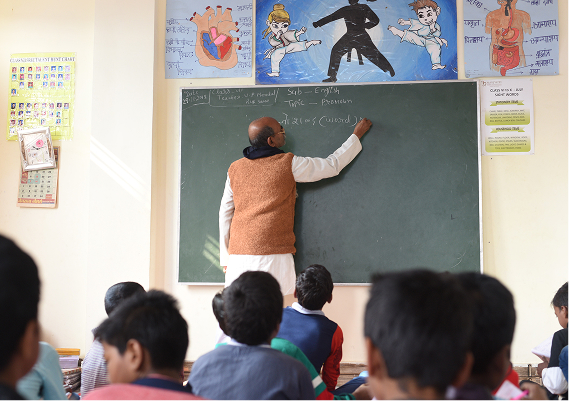
We foster a lifelong love for learning by creating joyful academic experiences through our Remedial Education Program. Designed to support students from grades 1 to 12, we provide two-hour daily classes that reinforce concepts in subjects like science, math, and English. Using an accelerated learning model, we track and mentor students who need special attention, ensuring their academic progress is sustained.

2

Sanskaar (Values)

Through our Early Leadership Program, we instill essential values such as gratitude, integrity, discipline, and awareness of social issues in students, along with a sense of responsibility for their rights. Our Early Leadership faculty members undergo regular training and participate in both national and international events, community awareness programs, and development projects. This initiative fosters responsibility and leadership qualities in students, preparing them to be future changemakers.

3

Skills

Through Personal Development Programs and Skill Readiness Training Sessions, we encourage children and youth to discover, nurture, and enhance their inherent talents, helping them transform these skills into potential lifelong vocations. This includes a range of activities, such as the Summer Learning Festival, music and art classes, computer sessions, health check-ups, life skills workshops, futuristic skills and gender sensitization sessions. Moreover, through aptitude mapping, career counseling and virtual industry visits, we enable students to make informed career choices.

The “Shiksha”, “Skills” and “Sanskaar” brackets in the title can be depicted through icons or some other graphical format to make it clear that these are the subpoints under the 3S model. Please see how we can best present this.

Discover More

Bal Gurukul: Early Leadership Program

Our Early Leadership Program nurtures young leaders who mentor and educate younger, vulnerable children in their communities, creating a ripple effect of positive change.

Remedial Education

Our Remedial Education Program aims to reduce dropout rates by providing quality academic support and holistic learning opportunities, empowering students to thrive academically and beyond.

School Support

Our School Support Program focuses on enhancing learning levels, integrating technology in education, and empowering teachers in government and low-budget schools in low-income communities.