
School Support Program

The Need
Education is the foundation of a better future, yet millions of children from marginalized communities struggle due to inadequate resources, lack of proper guidance, and limited access to technology. Navjyoti India Foundation is committed to bridging this gap by providing quality education and holistic development opportunities to underserved students.
While running its Remedial Education Program, Navjyoti realized that students in government and low-budget schools often lack the necessary academic support, technological exposure, and trained teachers to help them excel. Additionally, with the announcement of National Education Policy (NEP) 2020, the need to handhold and mentor these schools to effectively implement the provisions of NEP 2020 was felt.
The Solution
To address these challenges and align with the vision of NEP 2020, Navjyoti launched its School Support Initiative, focusing on enhancing learning levels, integrating technology in education, and empowering teachers. This initiative supports schools by strengthening foundational literacy and numeracy, providing digital learning opportunities, improving infrastructure for ICT and STEM education, and conducting teacher training programs.
In government schools where resources are scarce, Navjyoti plays a crucial role in ensuring that students receive quality academic support, exposure to modern learning tools, and guidance to develop essential life skills.
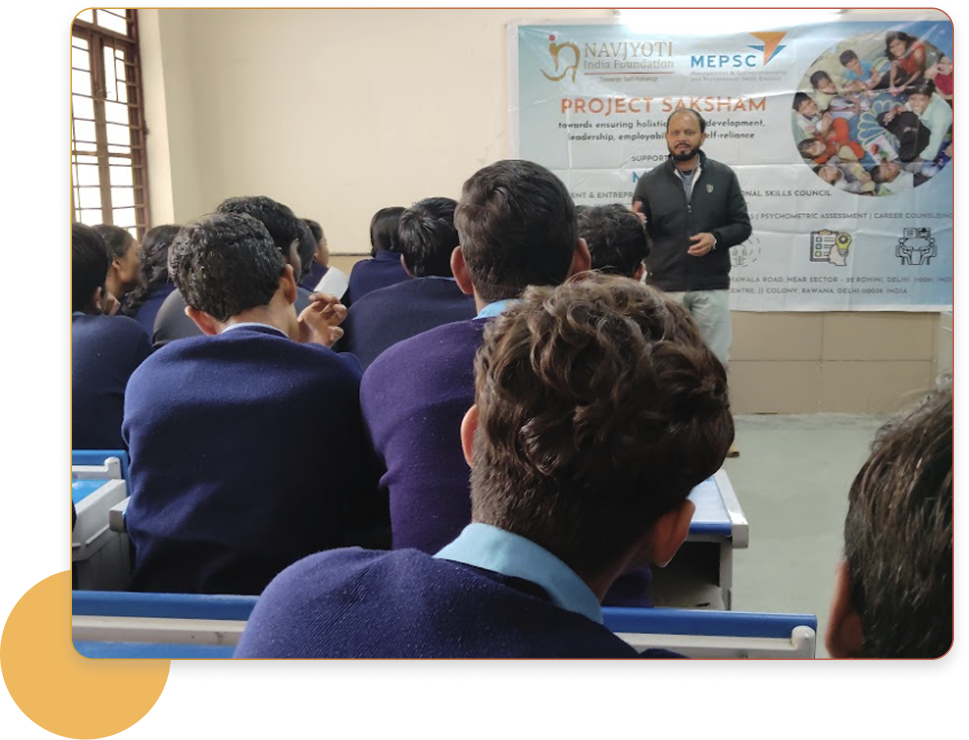
Our Programs
To improve students' academic performance and overall growth, Navjyoti India Foundation runs four specialized programs in government schools.
1
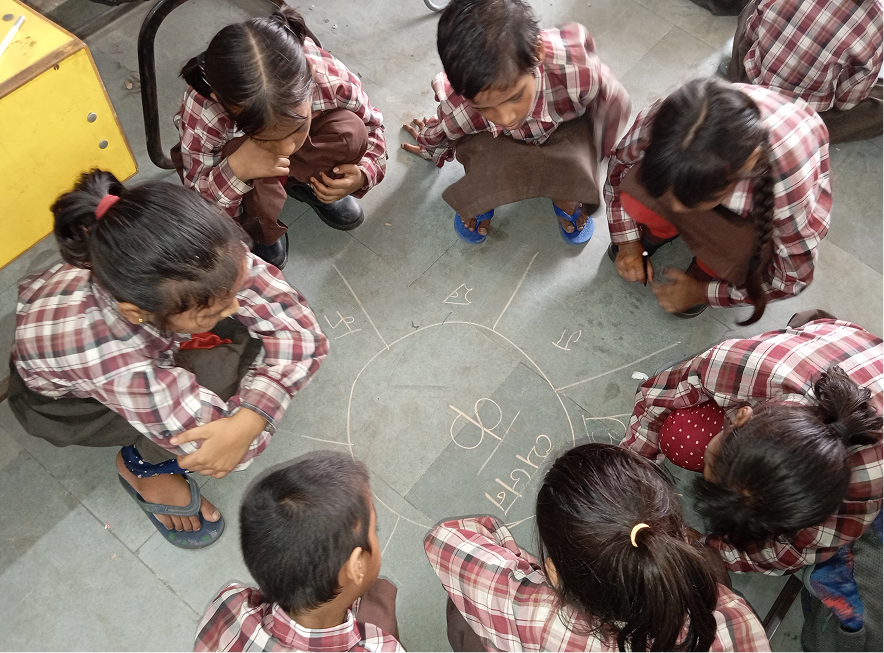
Project Neev - Foundation Literacy and Numeracy Skills
Project Neev aims to ensure that vulnerable children from grades 3 to 5 achieve foundational literacy and numeracy skills, enabling them to develop essential reading, writing, and mathematical abilities. It strives to accelerate learning by implementing targeted interventions, effectively bridging the academic gap and helping students move closer to their respective grade levels.
Additionally, the program is committed to fostering the personal development of children by nurturing their curiosity, creativity, and confidence. Through engaging and interactive teaching-learning methods, it seeks to sustain their interest and motivation in education.
2
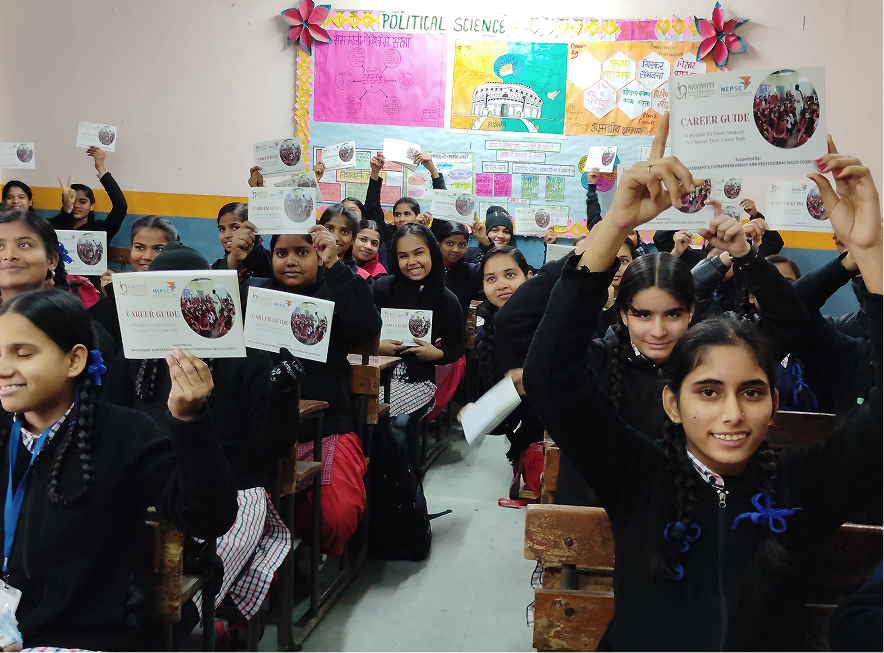
Career guidance and skill readiness labs in schools
This program aims to introduce 2,000 students to a variety of career paths, industries, and professions, enabling them to make informed decisions about their future. By conducting assessments, it seeks to identify and nurture the unique skills and talents of students, guiding them towards suitable career options.
Additionally, the program offers practical, industry-specific training and workshops to enhance students’ skills and prepare them for the demands of the modern workforce.
3
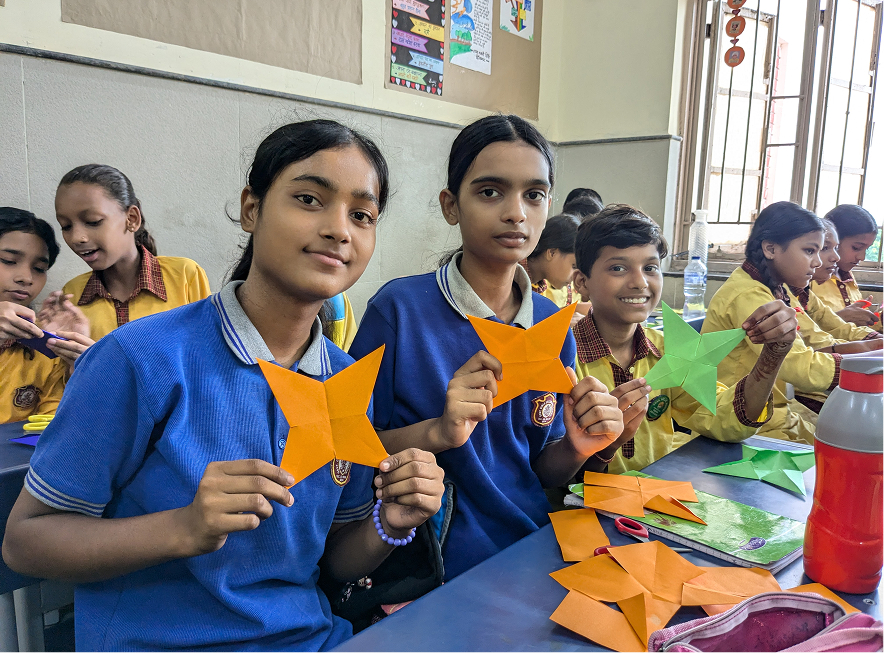
Holistic Development Through Creative and Skill-Building Initiatives
4
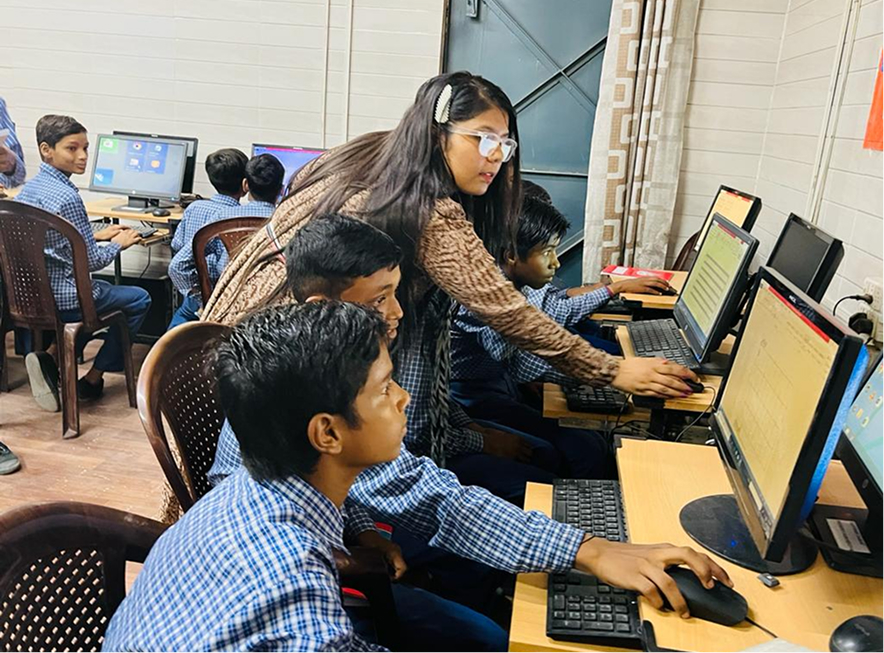
Empowering Future-Ready Learners Through ICT, STEM, and AI
Our Impact
Students demonstrated improved learning outcomes through Foundational Literacy and Numeracy (FLN) training, 21st-Century Skills training, and Skill Readiness training.
Students received career counselling sessions, helping make informed academic and professional choices
Students were provided gender sensitization workshops, promoting equality and respect
Students were introduced to and provided STEM education, encouraging scientific curiosity and hands on learning
Working Towards the Sustainable Development Goals (SDGs)
Beyond academics, the School Support Initiative actively contributes to the Sustainable Development Goals (SDGs).
SDG4: Quality Education
It supports SDG 4 (Quality Education) by ensuring inclusive, equitable, and high-quality learning opportunities for all.
SDG 3: Good Health and Well-being
Through regular health monitoring and awareness programs, it aligns with SDG 3 (Good Health and Well-being), educating students and parents on hygiene, nutrition, and overall well-being.
SDG 5: Gender Equality
Additionally, Navjyoti promotes SDG 5 (Gender Equality) by fostering an inclusive learning environment, encouraging equal participation of students across genders, and addressing social biases through educational interventions.